





RIDIVIHARAYA - The Leading light of Ridigama |
||||
 |
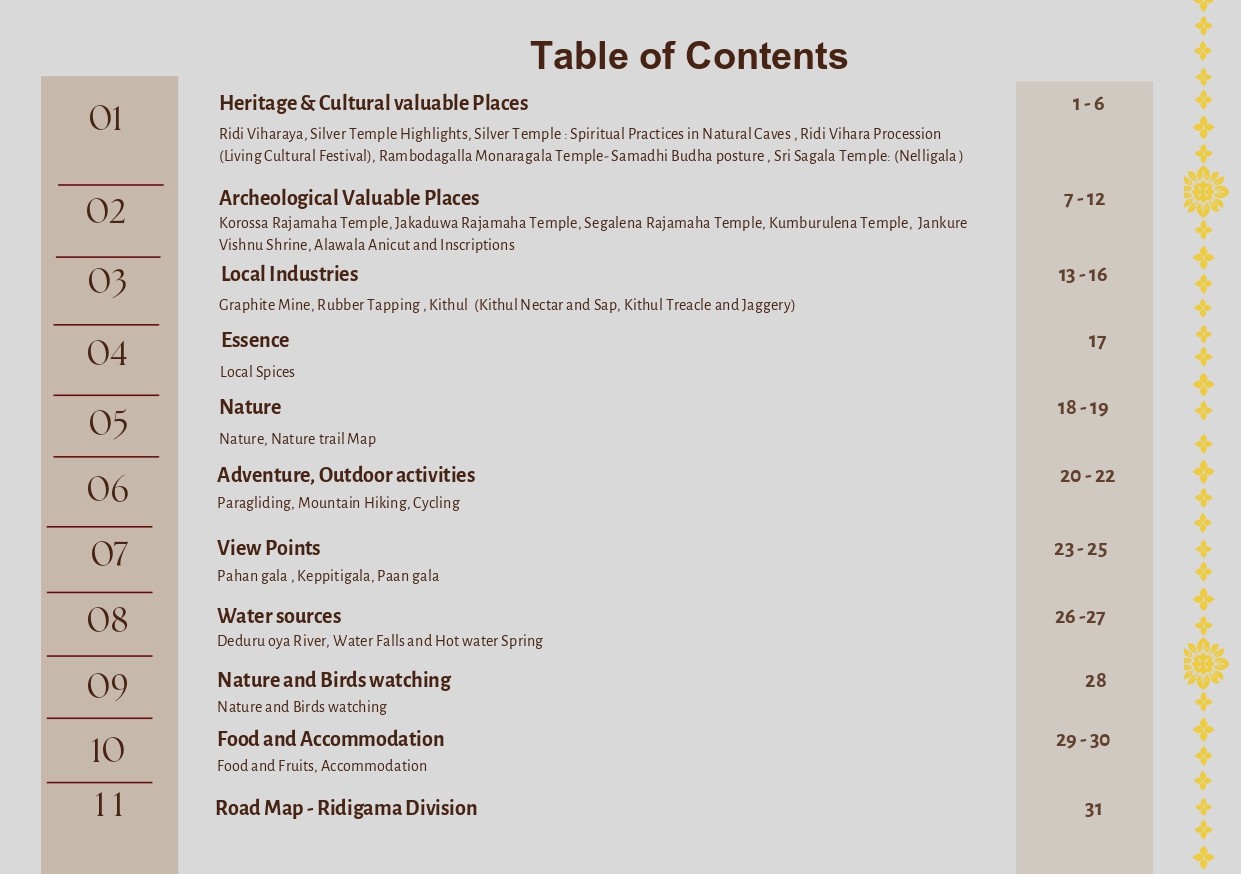
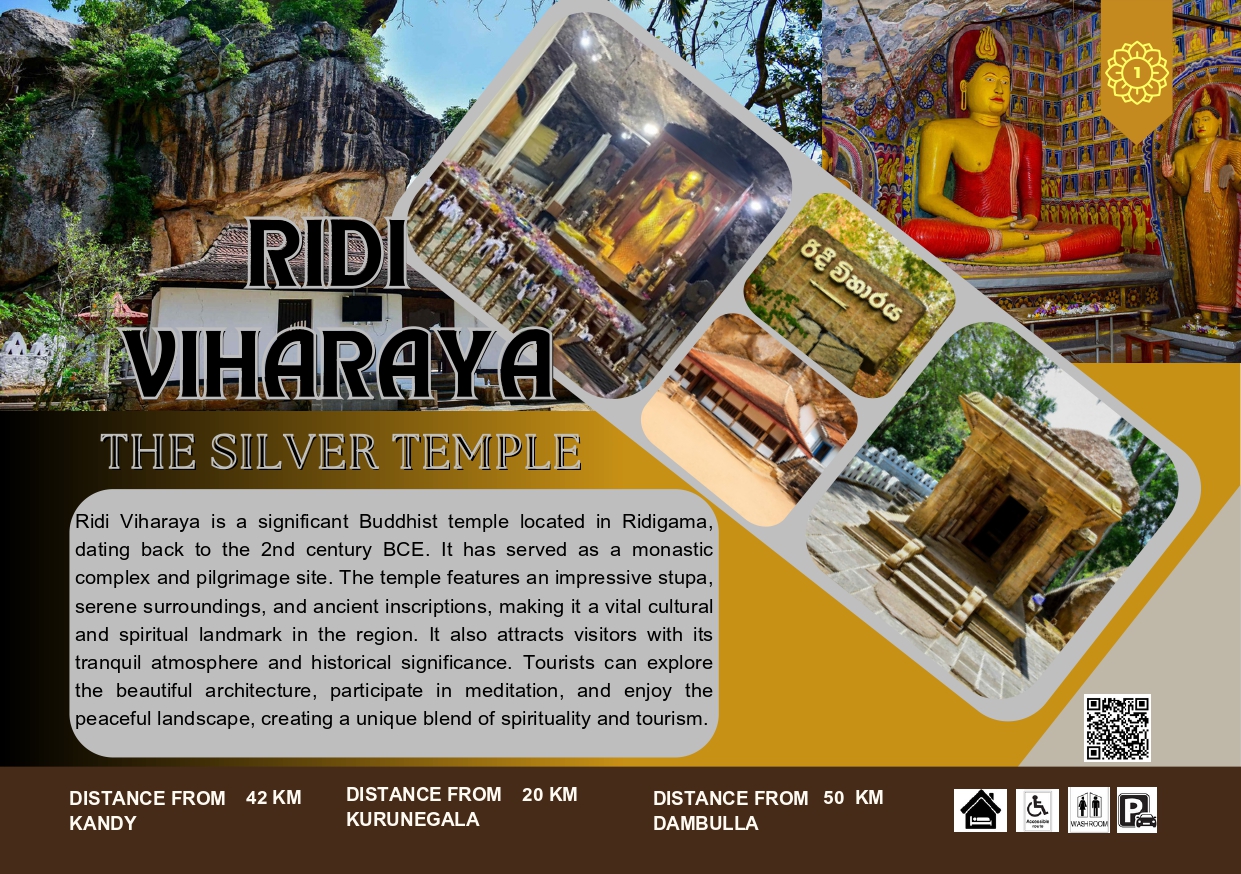
Ridi Viharaya, also known as the Silver Temple, is a historically significant Buddhist temple located in the village of Ridigama, Sri Lanka. It dates back to the 2nd century BCE and holds a special place in Sri Lankan history and culture.
Varaka Valandhu Viharaya |
|||||
 |
|
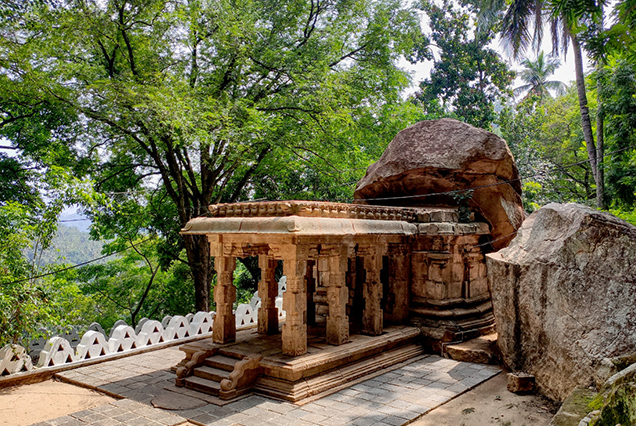
This "Varaka Valandhu Viharaya" is within the Ridi Viharaya complex. This is a very important part of Ridi Viharaya with a fascinating history. "Varaka" refers to the jackfruit tree, as we discussed. "Valandhu" means "to eat" or "to partake." So, the name roughly translates to "The Temple of the Jackfruit Tree where (offerings) were partaken."
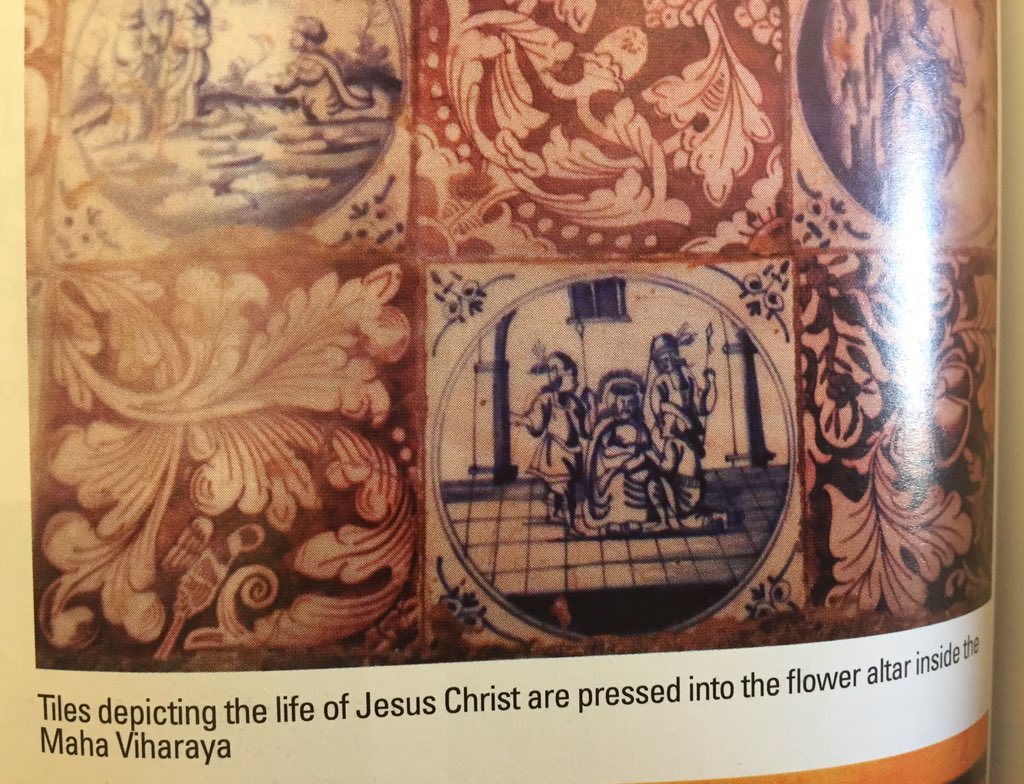
HistoryThis is considered the oldest and most significant part of the Ridi Viharaya complex. Legend says that traders resting near a jackfruit tree discovered silver at this location, which was then used to build the Ruwanwelisaya stupa. In gratitude, King Dutugemunu built the Varaka Valandhu Viharaya near that very jackfruit tree in the 2nd century BCE.Connection to TradeThe name and the legend suggest a strong connection to traders who used the area as a resting place on their routes. This highlights the importance of Ridi Viharaya as not just a religious site but also a place of cultural exchange and economic activity.Architectural FeaturesThe structure is quite unique, resembling a Hindu temple in its appearance. It's a heavy, squat building constructed from large stone slabs, supported by ornately carved pillars. This distinct architecture suggests influences from the Polonnaruwa period. |
|||
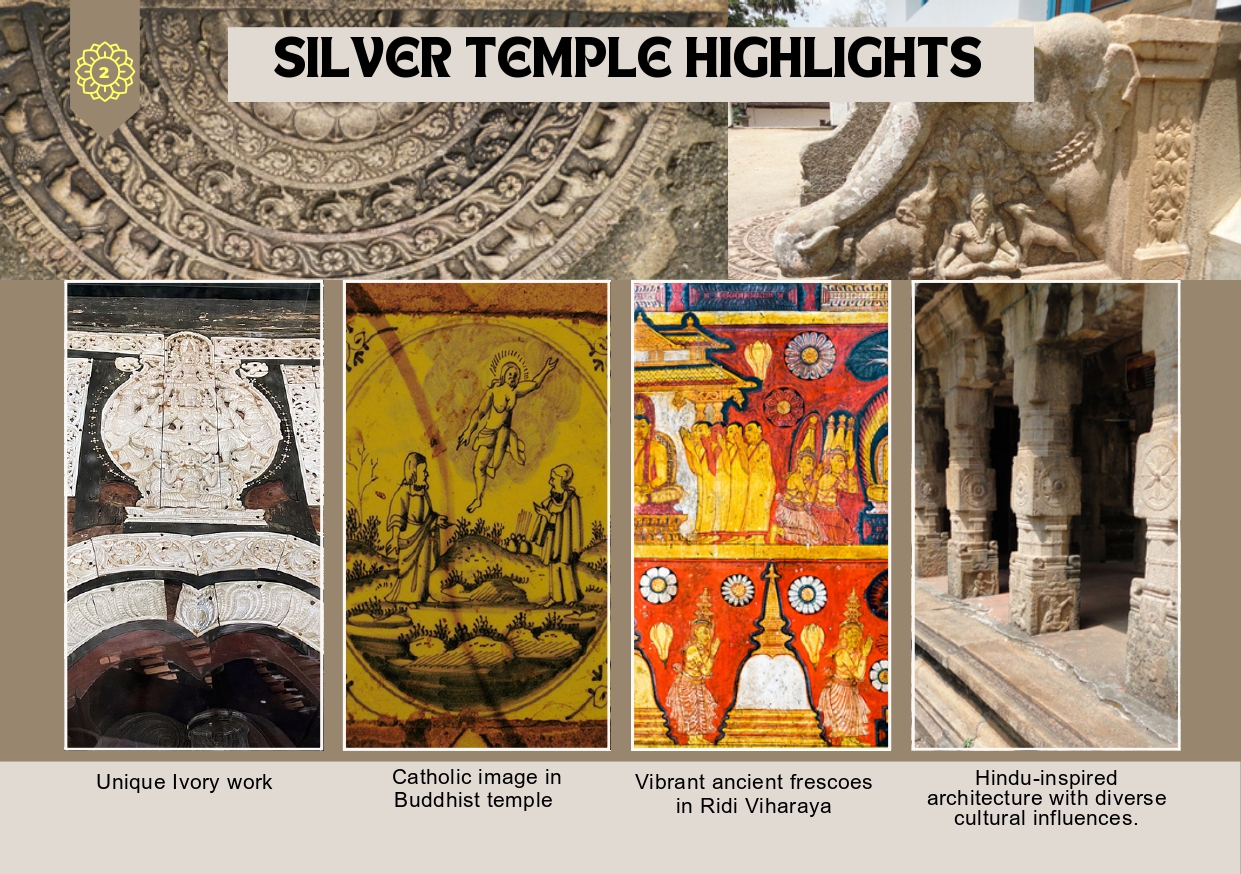
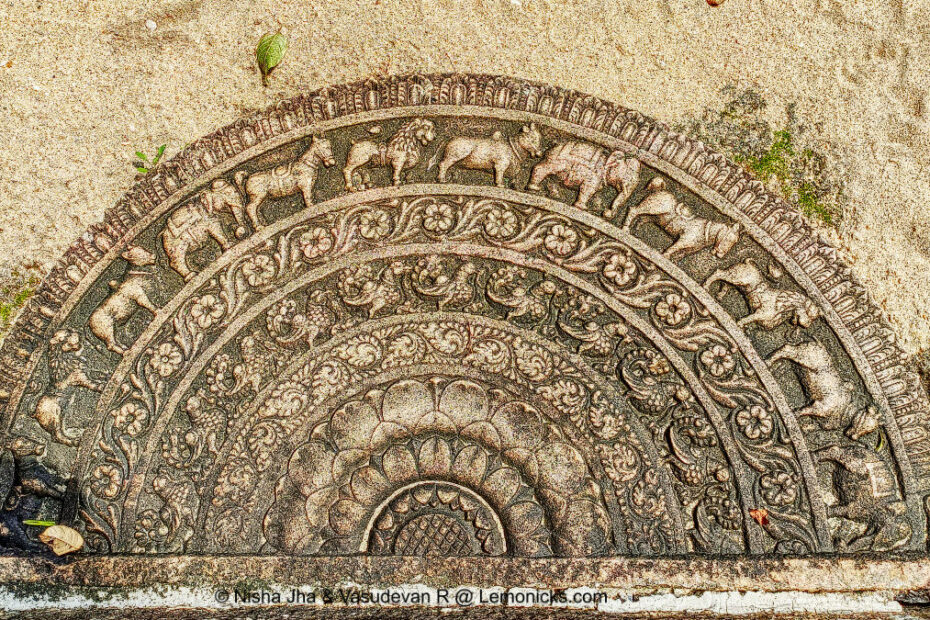
MoonstoneThe most prominent moonstone at Ridi Viharaya is found at the entrance to the Uda Viharaya (Upper Temple). This is a later addition to the complex, built during the Kandyan period. |
|||
StyleThis particular moonstone exhibits characteristics of the Kandyan period, which differs from the earlier Anuradhapura and Polonnaruwa styles.ShapeUnlike the semi-circular shape typical of earlier periods, this moonstone is described as having a more semi-circular or even somewhat triangular shape. This is a key feature of Kandyan moonstones.MotifsWhile the traditional motifs like the half-lotus, concentric bands of animals (elephants, horses, lions, bulls), and flames are still present, they might be stylized in a way characteristic of the Kandyan period.
|
 |
||
SignificanceThe presence of a moonstone at the entrance to the Uda Viharaya signifies its importance as a sacred space. The moonstone, with its symbolic representations of the cycle of Samsara (rebirth), serves as a transition between the mundane world and the sacred space of the temple. |
|||
 |
 |
 |
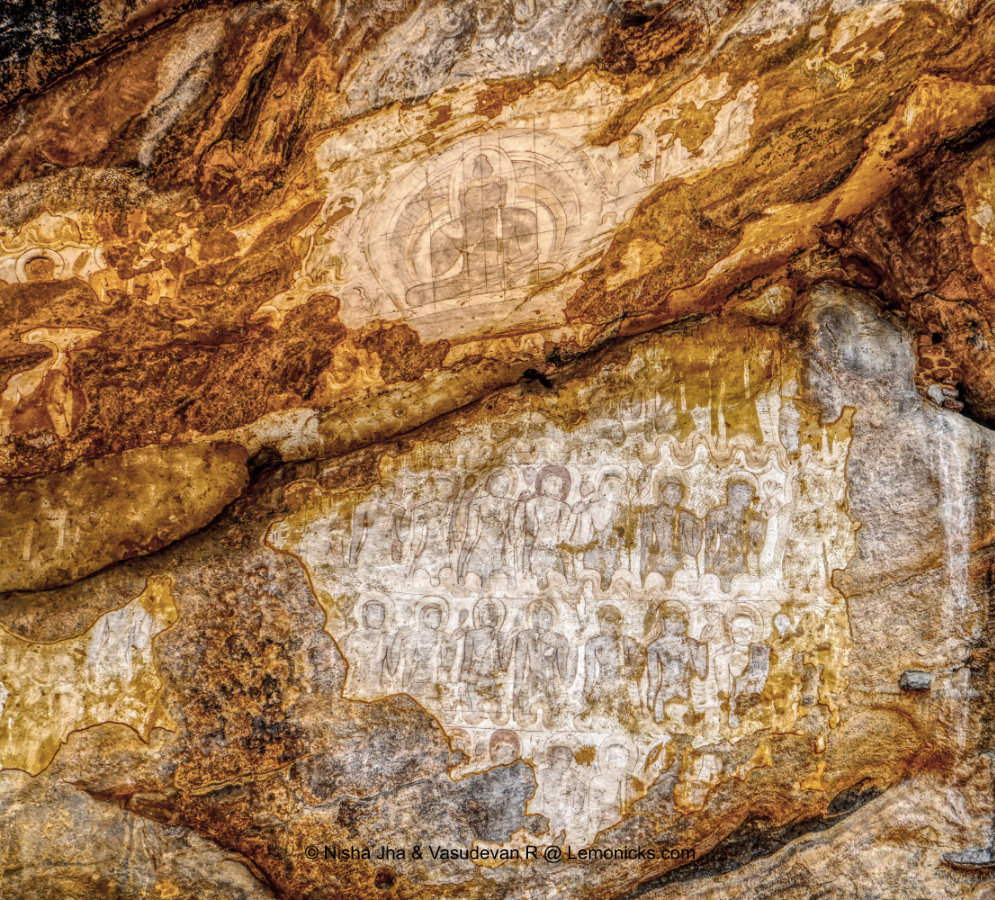 |
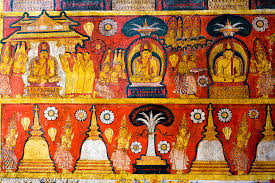
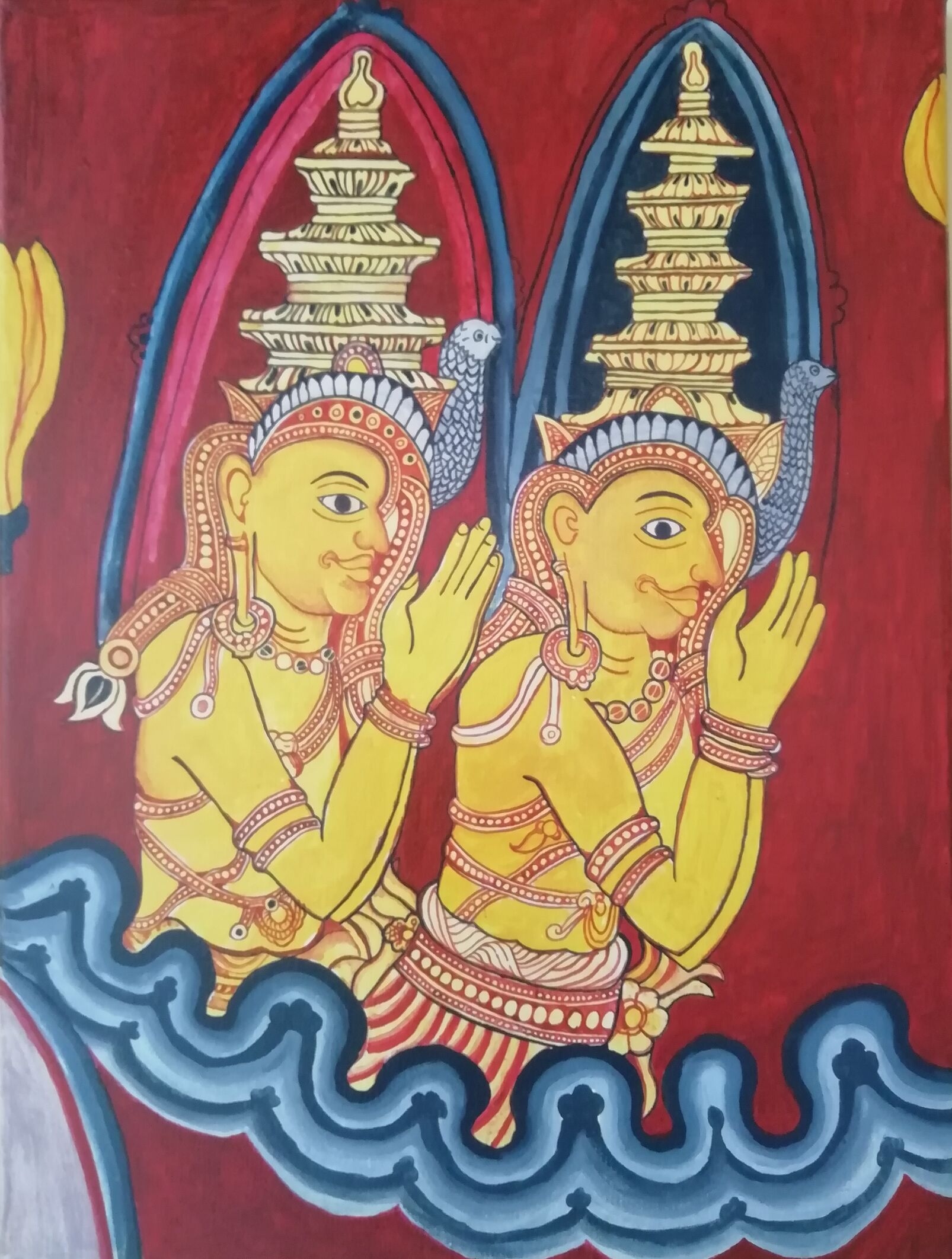
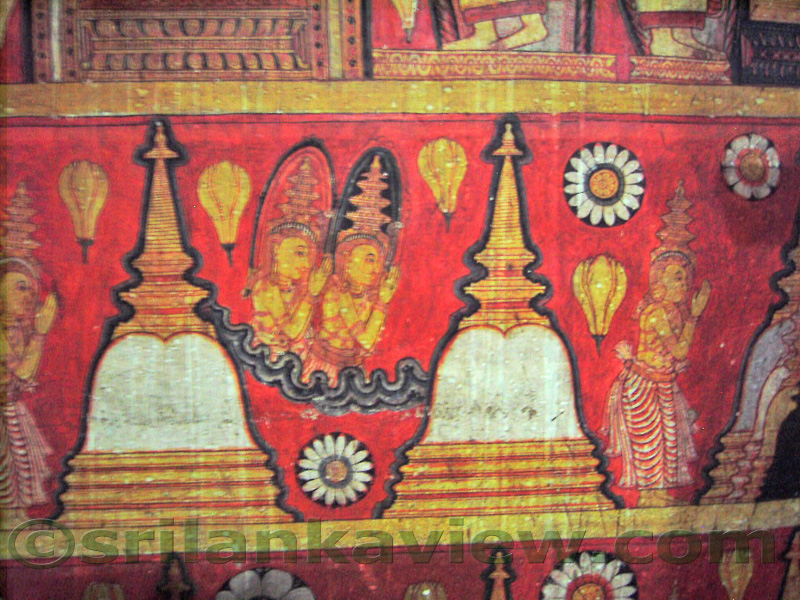
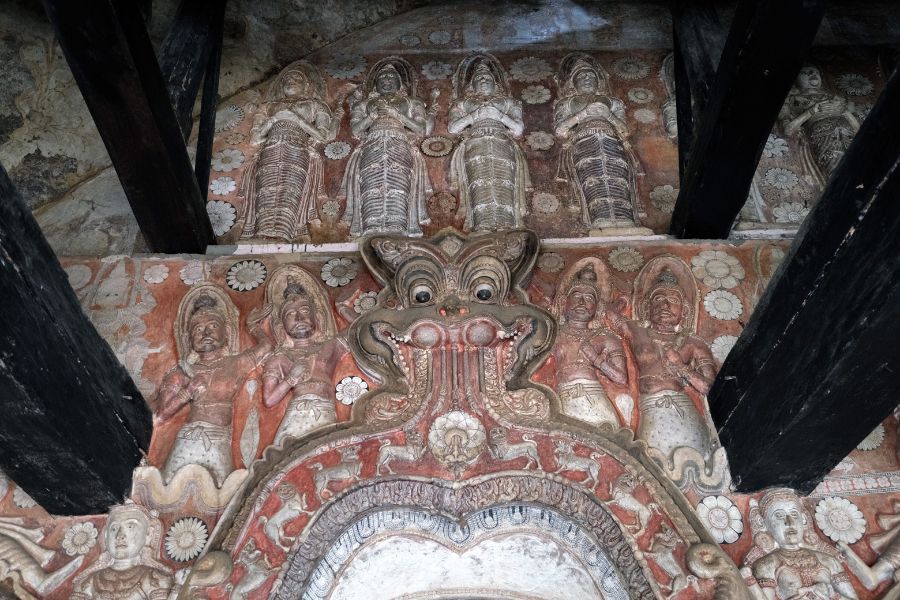
Ridi Viharaya is a treasure trove of Sri Lankan art, showcasing exquisite carvings and paintings that provide a glimpse into the island's rich cultural and religious heritage.
Seated Buddha Statue |
||||
 |
|
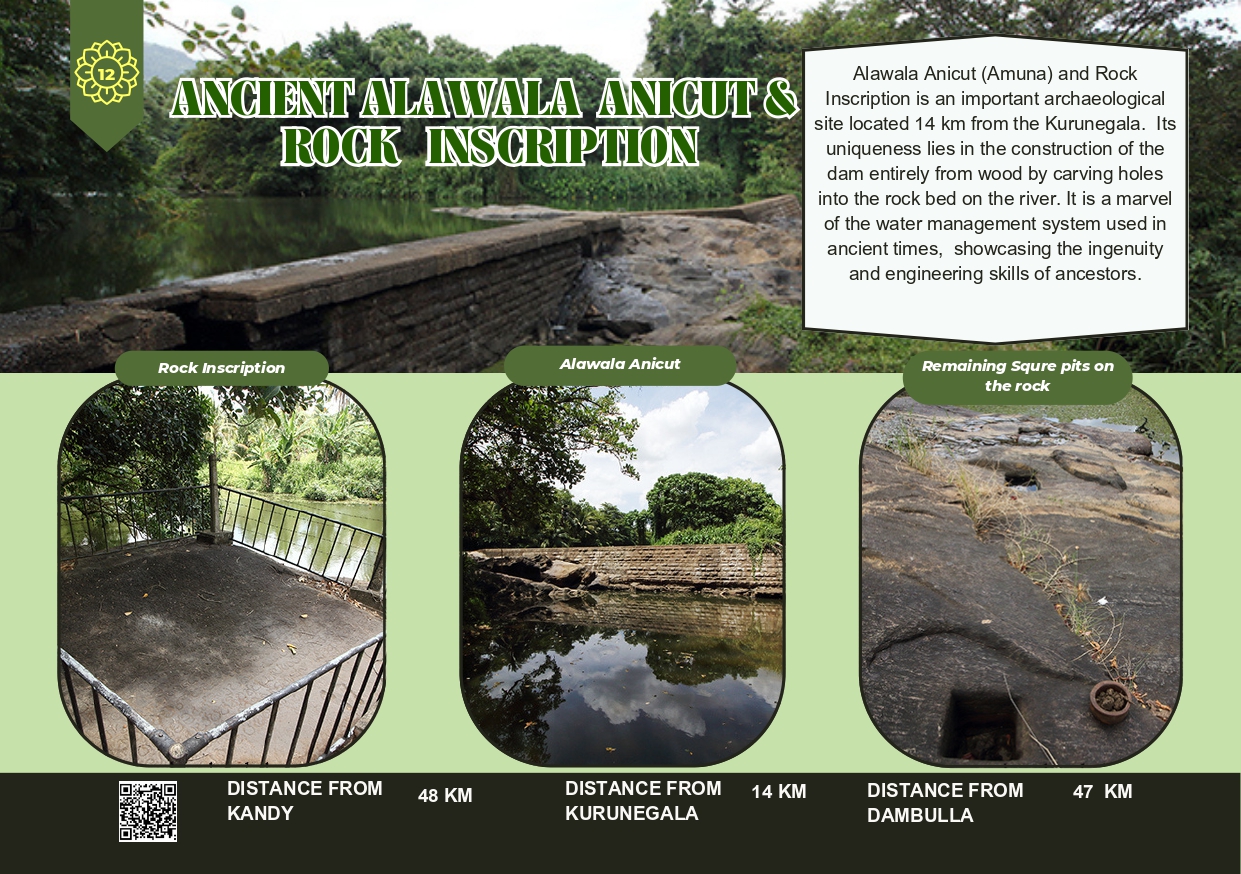
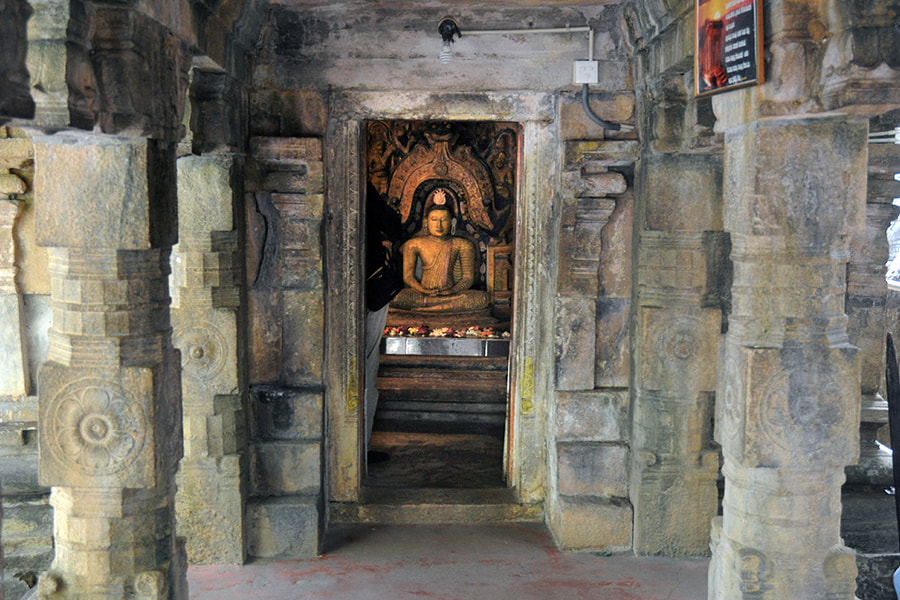
The central focus is a seated Buddha statue, likely made of stone or a similar material. The posture appears to be the Dhyana Mudra (meditation pose), with hands resting in the lap.
Stone PillarsThe most distinctive feature is the presence of intricately carved stone pillars. These pillars are characteristic of Kandyan-era architecture, which is prevalent at Ridi Viharaya. The carvings on the pillars often feature floral motifs, geometric patterns, and sometimes animal figures.Entrance or doorwayThe Buddha statue is positioned at the end of what appears to be a short passageway or within a recessed area, framed by the stone pillars. This suggests an entrance to a shrine or a specific part of the temple complex.Simple backgroundThe background behind the Buddha statue is relatively simple, possibly a painted wall or a natural rock surface within a cave. This is also consistent with the environment within Ridi Viharaya's cave temples. |
||
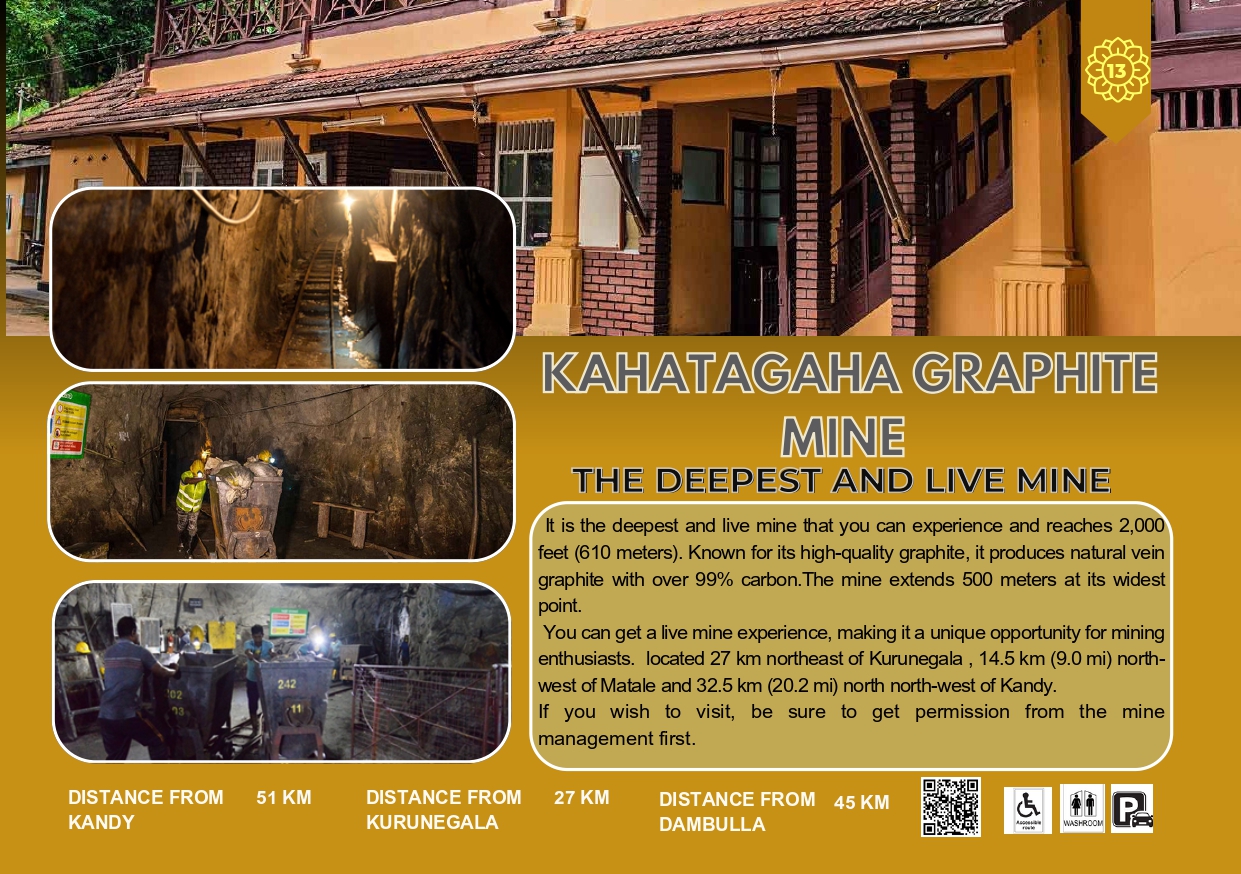
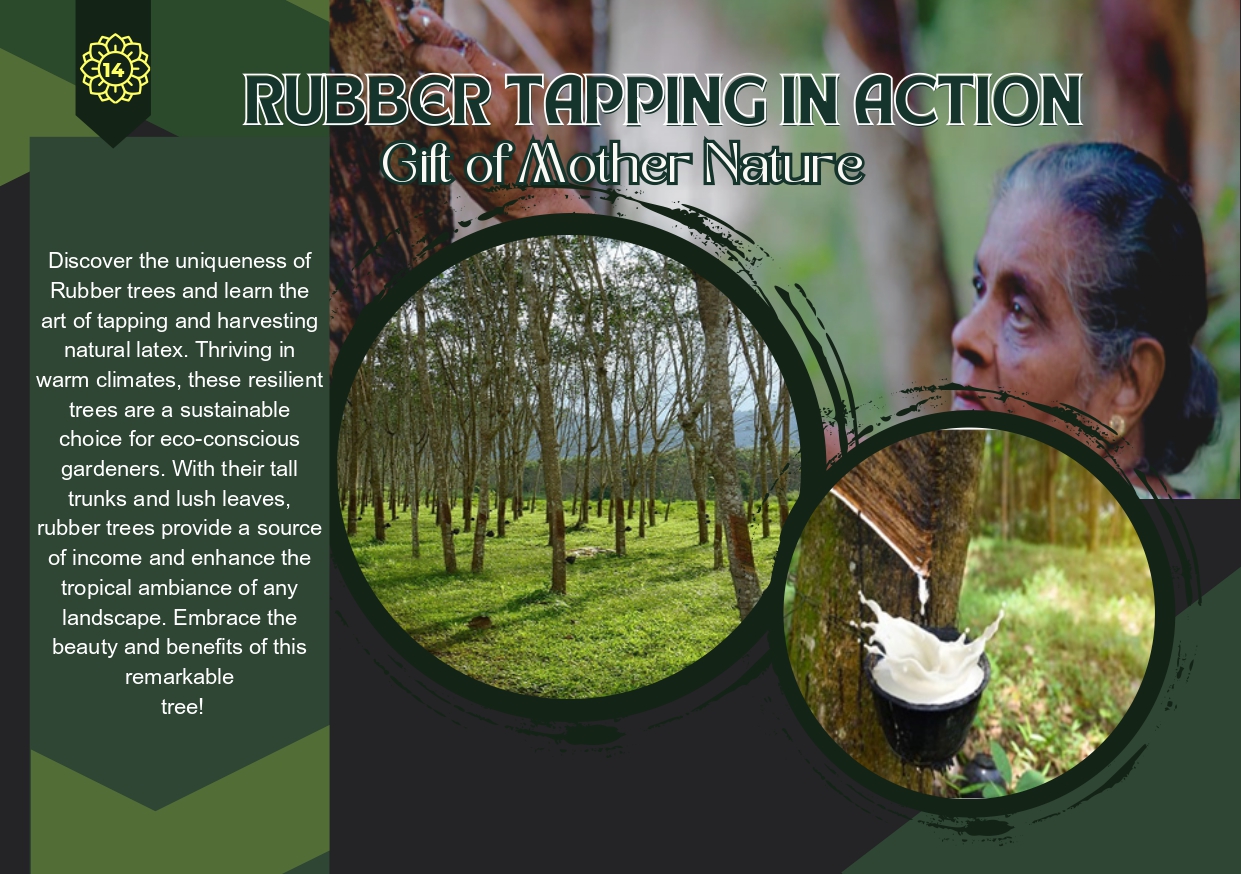
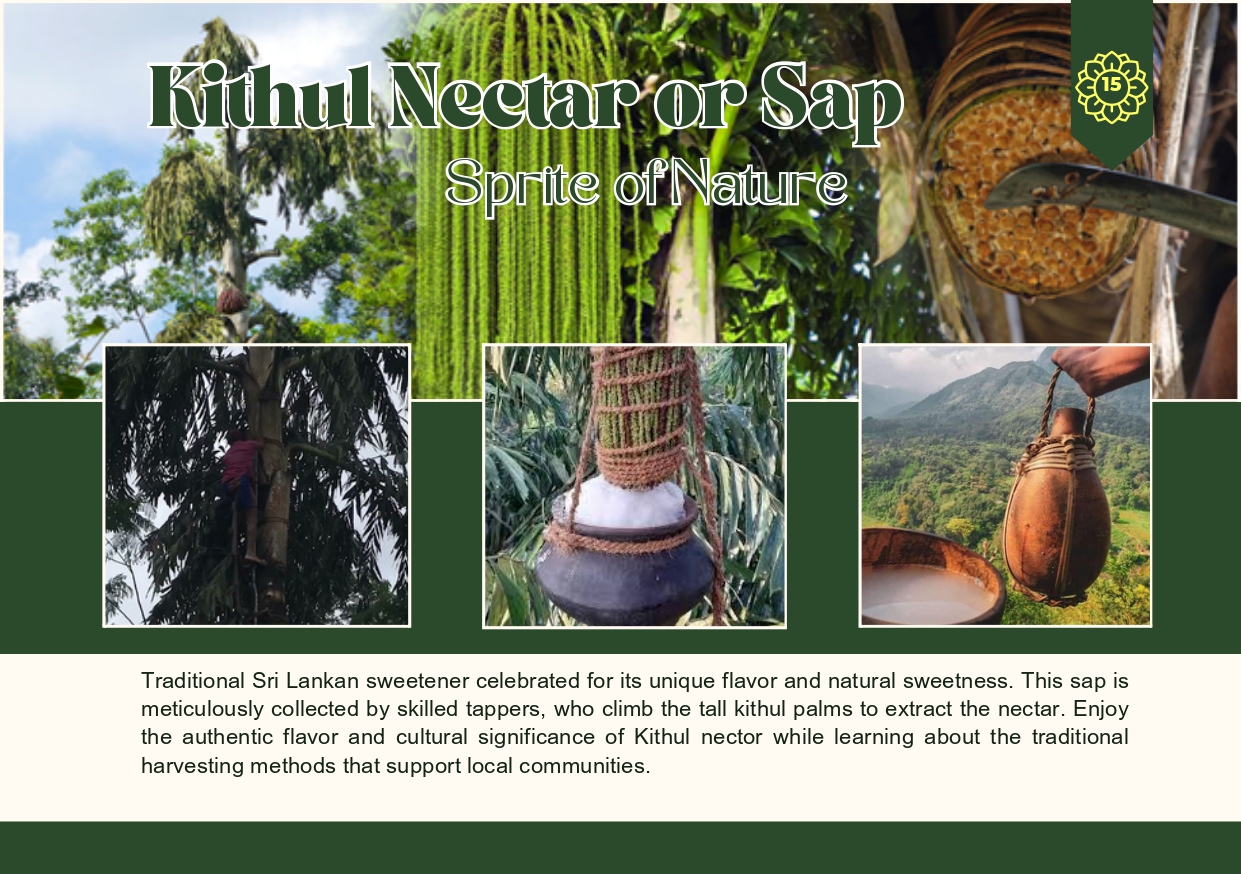
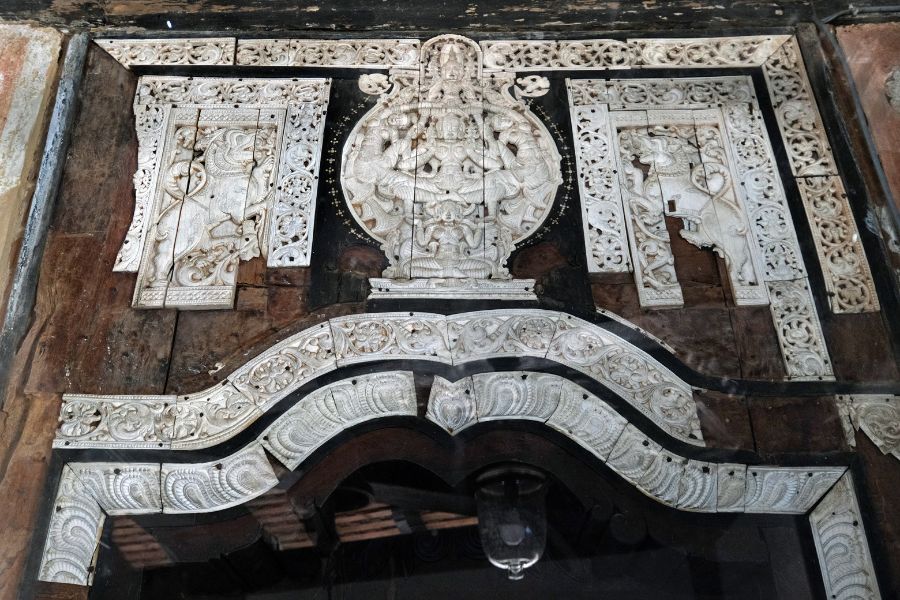
The Ivory Door of Ridee ViharayaThe intricate ivory carvings adorn the doorway leading to the Uda Viharaya (Upper Temple), which houses a seated Buddha statue. This placement emphasizes the importance of this artwork as a gateway to a sacred space.Unfortunately, due to past vandalism, the ivory carvings have suffered some damage. However, efforts have been made to preserve and protect this valuable piece of Sri Lankan art. The ivory door of Ridi Viharaya is a testament to the incredible skill and artistry of Sri Lankan craftsmen. It's a must-see feature for anyone visiting the temple, offering a unique glimpse into the island's rich cultural heritage. |
|||
Pancha Nari GetayaThe centerpiece of the ivory carving is known as the "Pancha Nari Getaya" (පංච නාරී ඝටය), which translates to "the figure of five women entwined." This is a complex and fascinating design where five female figures are intricately interwoven to create the illusion of a vase or a knot. It's a masterpiece of illusion and craftsmanship, requiring close inspection to discern the individual figures.SymbolismThe exact meaning of the "Pancha Nari Getaya" is open to interpretation, but it's believed to represent concepts such as: Unity and harmony: The intertwining of the figures symbolizes the interconnectedness of all beings. Feminine energy: The depiction of women may represent fertility, creativity, and the nurturing aspects of life. Skill and artistry: The complexity of the design showcases the exceptional skill and artistry of the craftsmen who created it.Other detailsIn addition to the "Pancha Nari Getaya," the ivory door frame also features other intricate carvings, including: Lions: Two lions flank the central design, symbolizing strength and protection. Floral motifs: Delicate floral patterns and creepers add to the overall decorative richness. Historical significance: The ivory carvings are believed to date back to the Kandyan period, highlighting the long history of artistic traditions at Ridi Viharaya. |
 |
||
SignificanceThe presence of a moonstone at the entrance to the Uda Viharaya signifies its importance as a sacred space. The moonstone, with its symbolic representations of the cycle of Samsara (rebirth), serves as a transition between the mundane world and the sacred space of the temple. |
|||
 |
 |
 |
 |
Find us in map 
பக்கம் 1 / 2
செய்தி மற்றும் நிகழ்வுகள்

2026-08-08 அன்று “தூய்மையான இலங்கை” தேசிய திட்டத்தின் கீழ் செயல்படுத்தப்பட்ட “அத்தம” தேசிய தூய்மை தின நிகழ்ச்சியின் தொடக்க விழா.
“தூய்மையான இலங்கை” தேசியத் திட்டத்தின் கீழ் செயல்படுத்தப்படும் “ஐந்தாவது”...

சமூக மேம்பாட்டு மன்றப் பிரதிநிதிகளுக்கான விழிப்புணர்வுப் பயிற்சித் திட்டம்
பிரஜா சக்தி தேசிய இயக்கத்தின் கீழ் சமூக அபிவிருத்தி...


தொடர்புடைய பிரதேச செயலகப் பிரிவுகள்
முதன்மை பட்டியல்
அடைவுகளுக்கு
பிரதேச செயலகம்
கொழும்பு,
இலங்கை.
+94 33-2222235
info[at]colombo.ds.gov.lk